Canada’s Anti-Spam Legislation (CASL), enacted on July 1, 2014, regulates commercial electronic messages (CEMs) to protect consumers from spam and promote trust in digital communications. It applies to anyone, including businesses, educators, and individuals, sending emails or other electronic messages that encourage participation in commercial activities. Compliance with CASL ensures ethical marketing and fosters consumer confidence.
Learn what constitutes a commercial electronic message (CEM) under CASL and how to ensure compliance when sending them. CEMs include emails, text messages, or other electronic communications that promote products, services, or business opportunities. Properly identifying a CEM is crucial for adhering to CASL’s requirements and avoiding penalties. Watch the video below to gain a clear understanding of how to structure compliant messages.
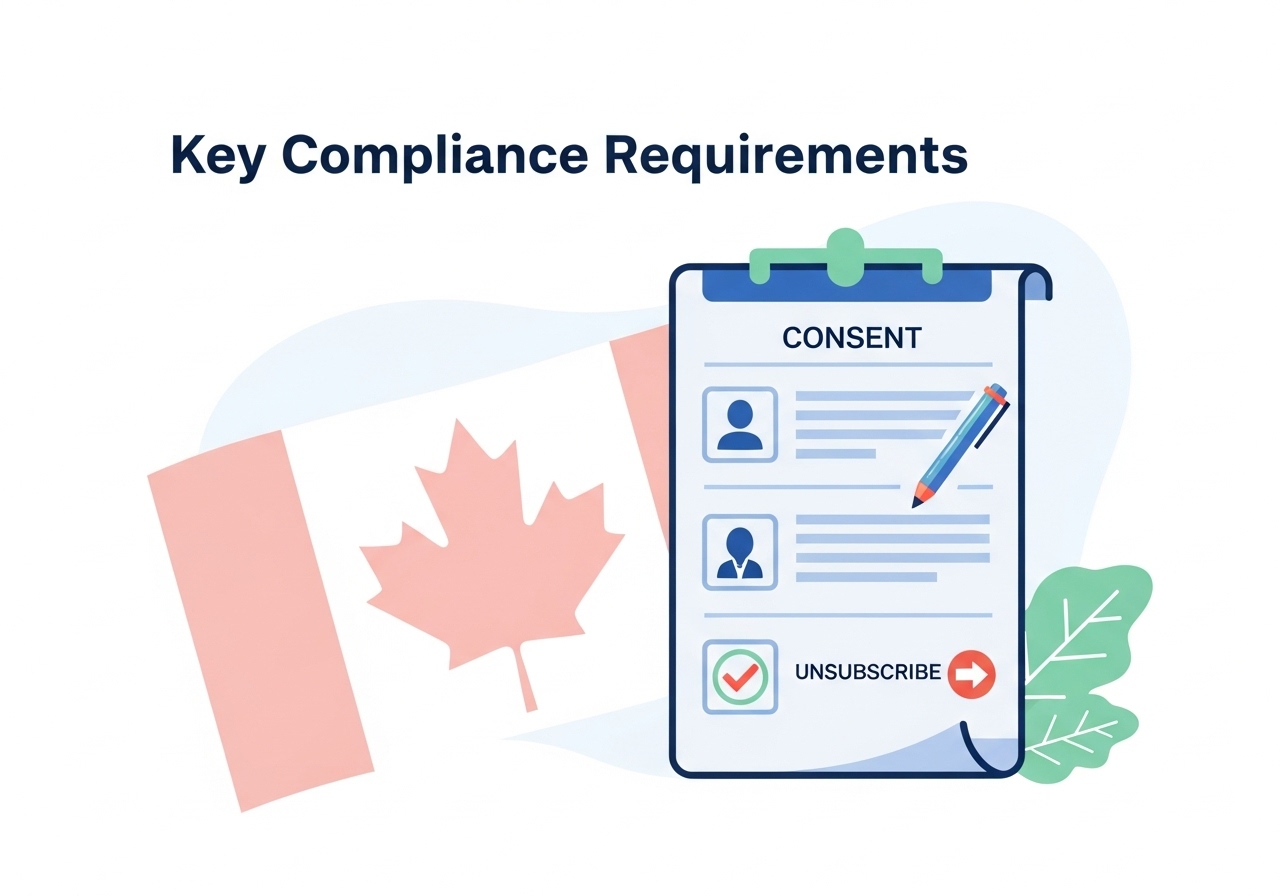
Key Compliance Requirements
CASL sets strict guidelines to ensure transparency and respect for recipients. Businesses and individuals must adhere to these requirements to avoid penalties, which can include significant fines. Understanding and implementing these rules is essential for anyone engaging in electronic marketing in Canada.
Why CASL Matters
CASL protects consumers by reducing unsolicited messages, enhancing trust in digital communications. For businesses, compliance demonstrates professionalism and respect for customers, fostering stronger relationships. Non-compliance can lead to penalties, including fines up to $1 million for individuals and $10 million for organizations, making adherence critical.
Discover the importance of obtaining proper consent for sending commercial electronic messages to comply with CASL regulations. Consent can be explicit, such as through an opt-in form, or implied, based on existing business relationships. Ensuring valid consent protects recipients and helps businesses avoid legal repercussions. Watch the video below to learn how to implement effective consent mechanisms.
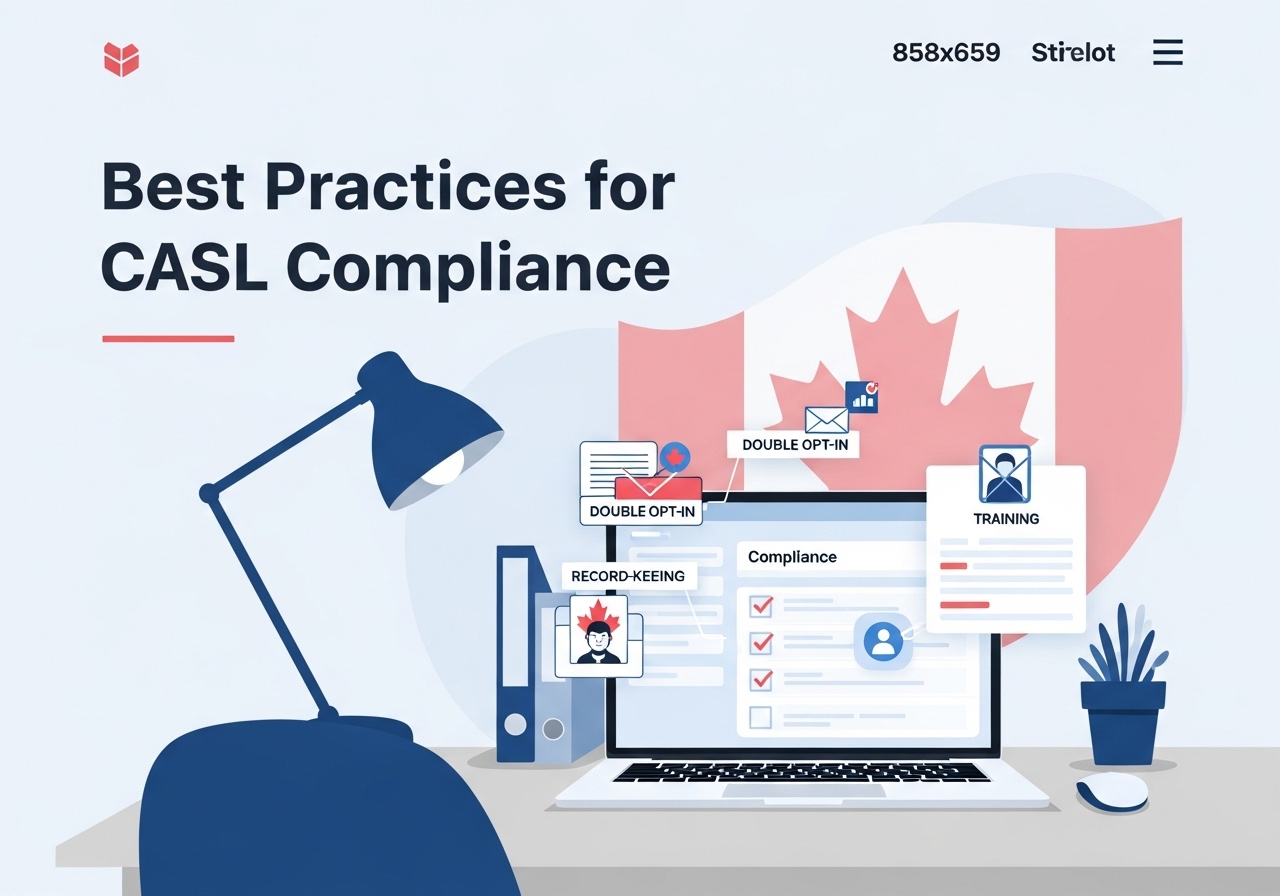
Best Practices for CASL Compliance
To effectively comply with CASL, adopt these best practices to streamline your processes and enhance user trust. These strategies help ensure your communications are both compliant and effective in engaging your audience.
Stay Compliant with CASL
Dive deeper into CASL regulations and ensure your communications meet legal standards. Visit the official Government of Canada website for detailed guidance.